Lava in Efrahóp Street

Where Lava Entered the Town

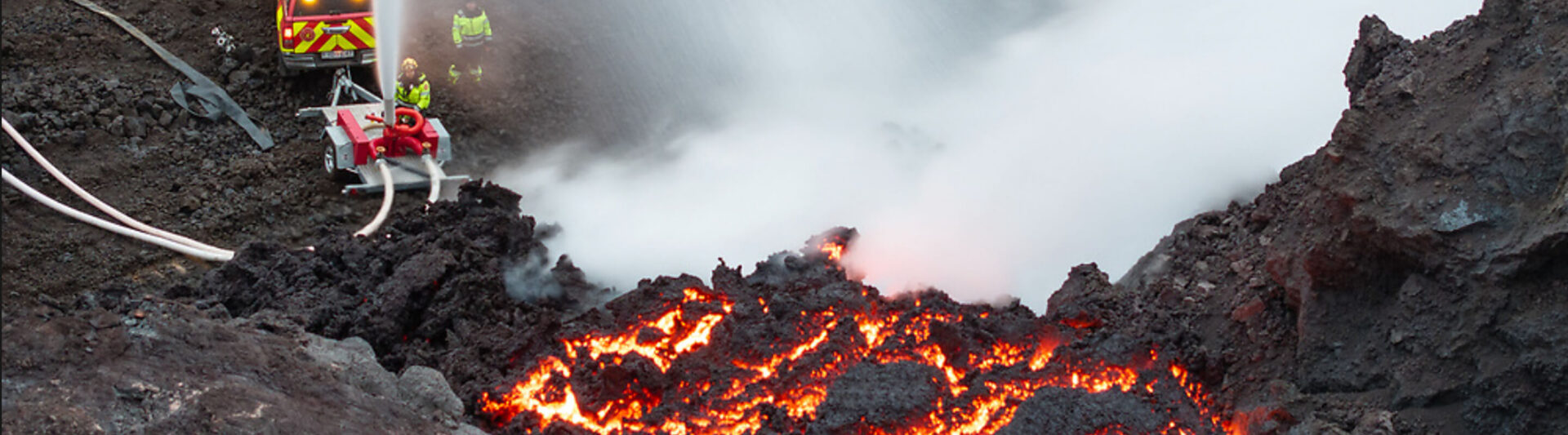
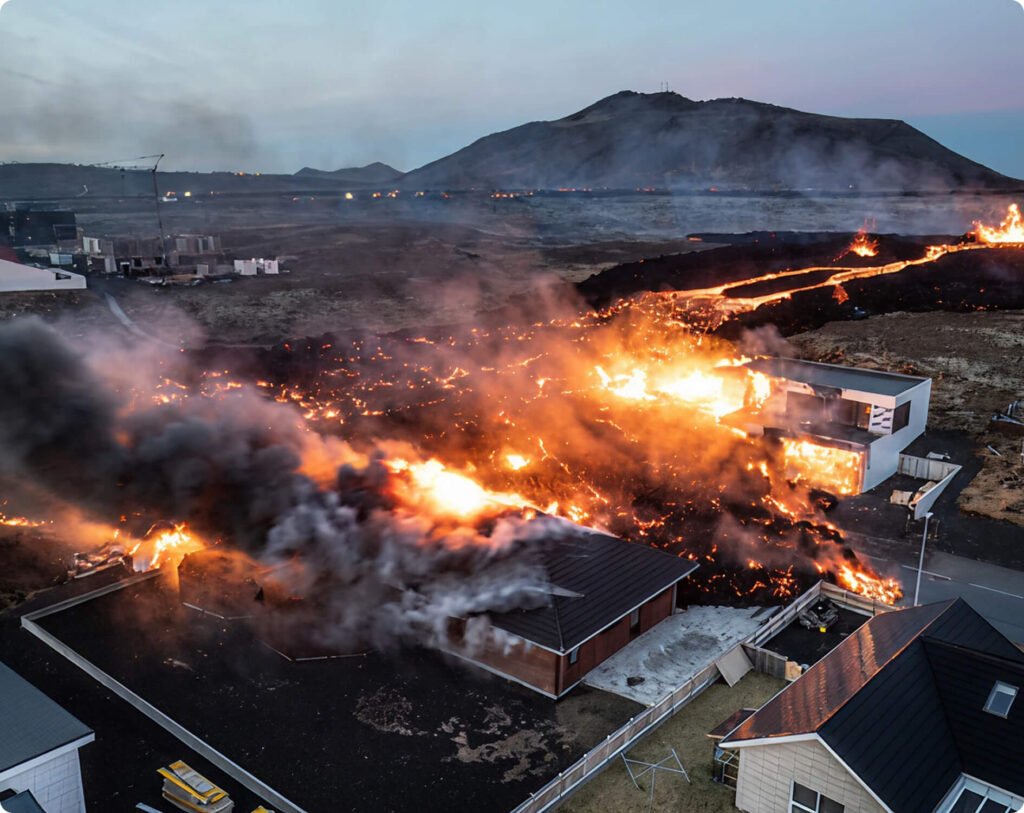
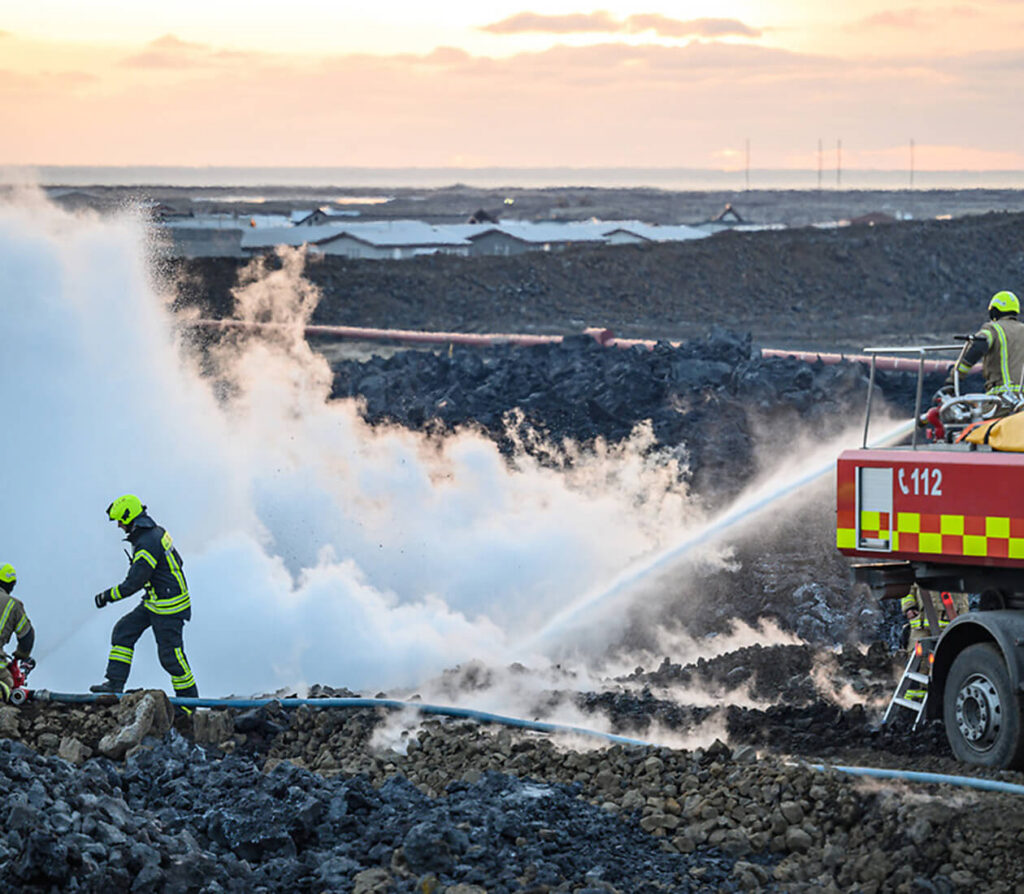
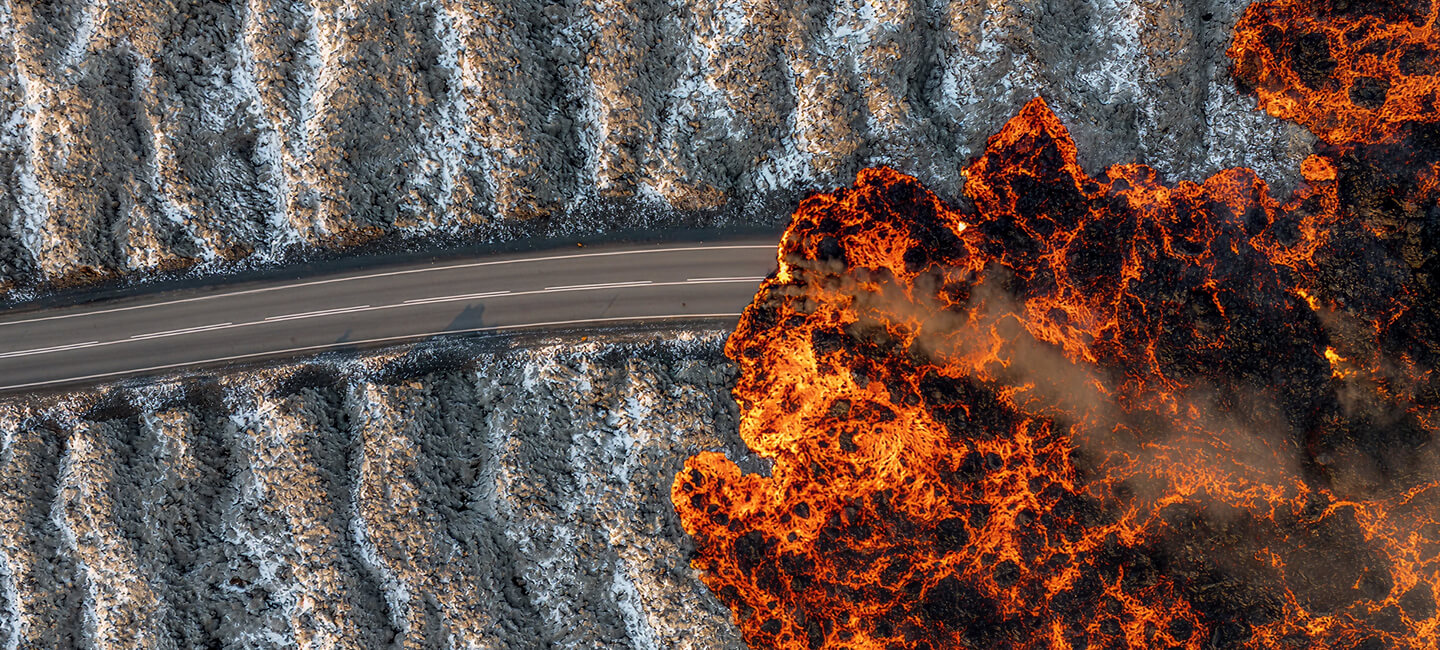
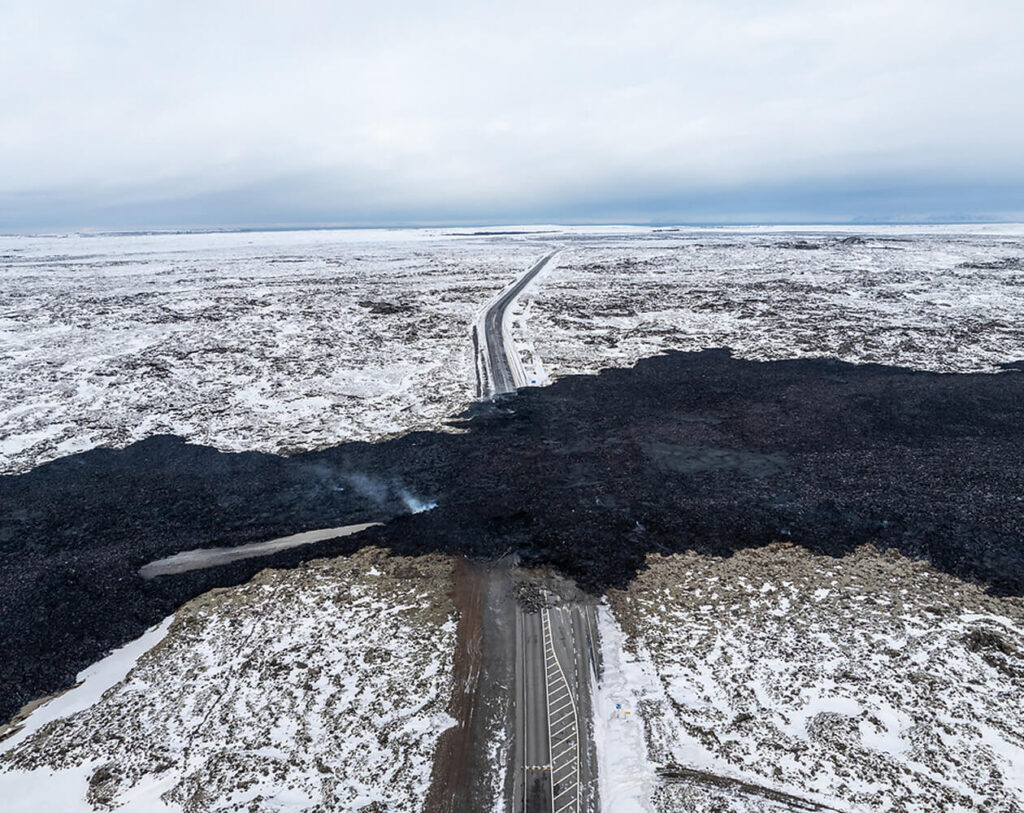
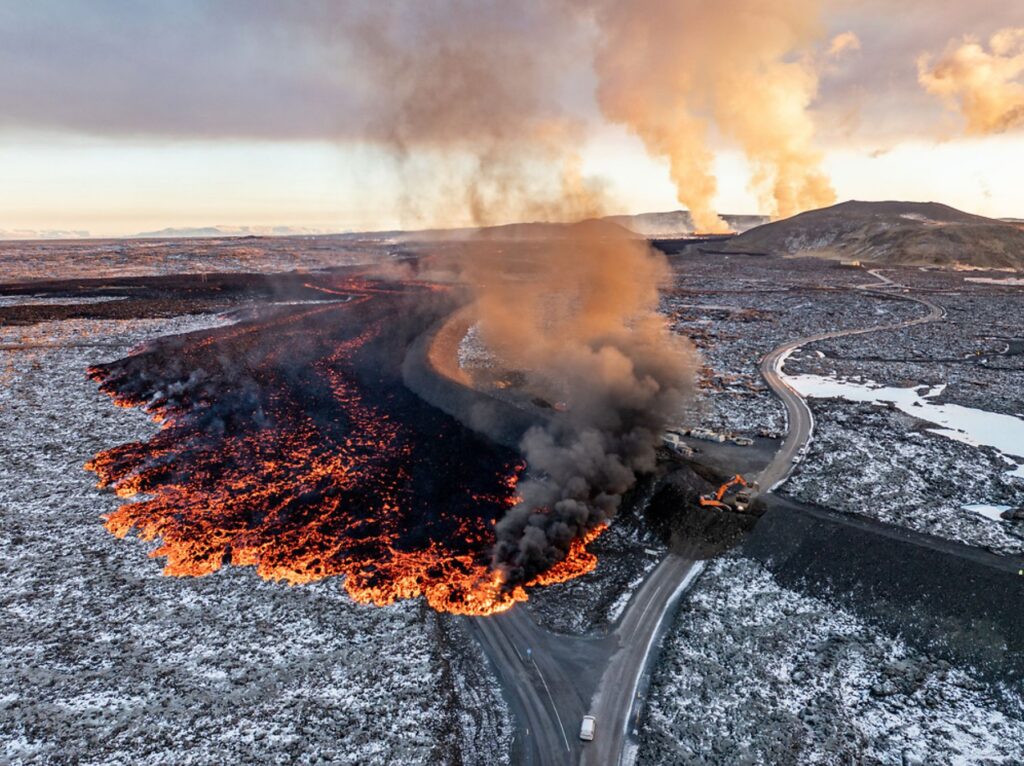
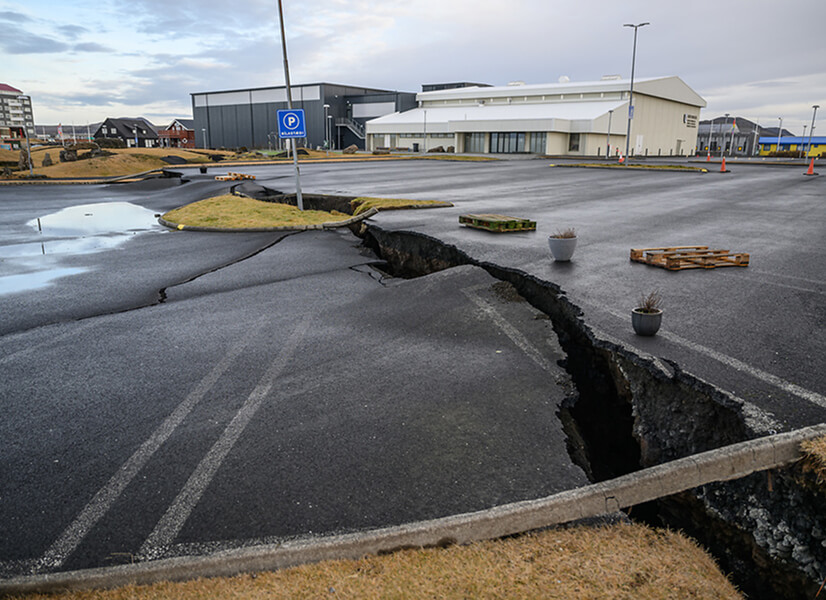
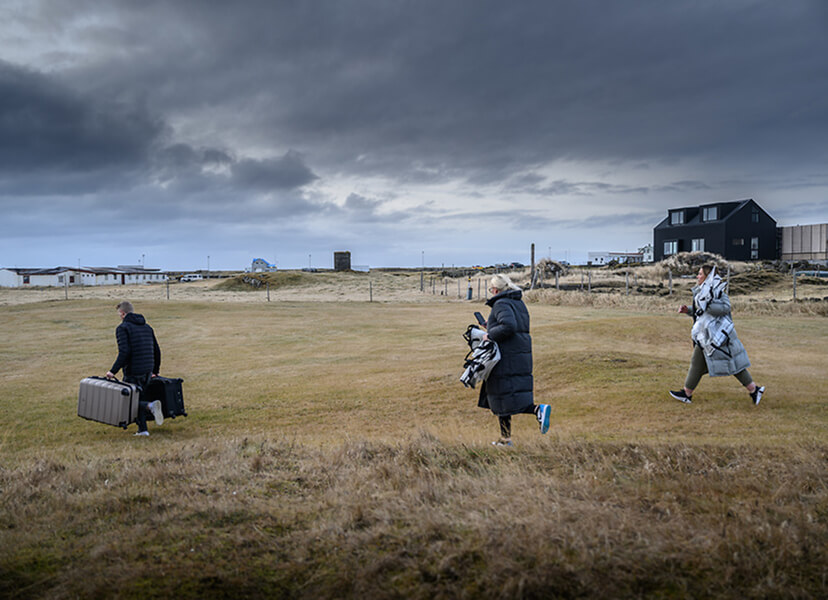
Sunday, January 14, 2024, began quietly in the evacuated town of Grindavík. At 7:57 AM, that silence was shattered when a new fissure eruption began just north of the town. By noon, another lava-spewing crack had opened even closer to the buildings. Around 1 PM, the molten rock entered the Efrahóp street.

The world watched live as glowing lava crept toward houses at the top of the street. One by one, three homes caught fire and collapsed, taking with them not just buildings but entire family histories: photographs, heirlooms, and irreplaceable memories. Three families lost everything in what became a moment of both geological significance and profound human loss.

Understanding the Bigger Picture

What happened in Grindavik isn’t random; it’s part of a much larger story. The Reykjanes Peninsula sits on five to six active volcanic systems that have been shaping this landscape for thousands of years. These systems follow long cycles, sleeping for 700 to 1,200 years, then awakening for 300 to 400 years of intense activity.

After roughly 800 years of rest, a new active period began in 2021. Since then, there have been over a dozen eruptions on the peninsula, with more expected in the coming years, decades, and even centuries.

If the newest lava fields around you were covered in grass, it would take one person with a lawnmower three full years to cut it all. Here, you are witnessing the beginning of a geological awakening that may continue for generations, as this part of Iceland enters a new geological era. 

Where Continents Meet

The Reykjanes Peninsula sits on the Mid-Atlantic Ridge, where the European and North American tectonic plates meet and slowly separate. At 1.9 centimeters per year, this spreading creates the volcanic activity that built Iceland itself. We are talking about the same forces that brought both destruction and creation to Grindavik.

Explore Grindavik

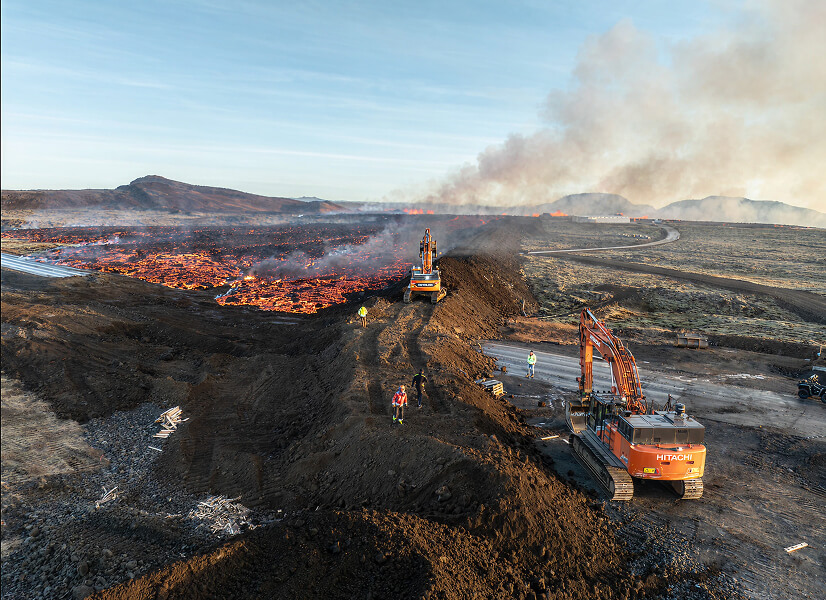
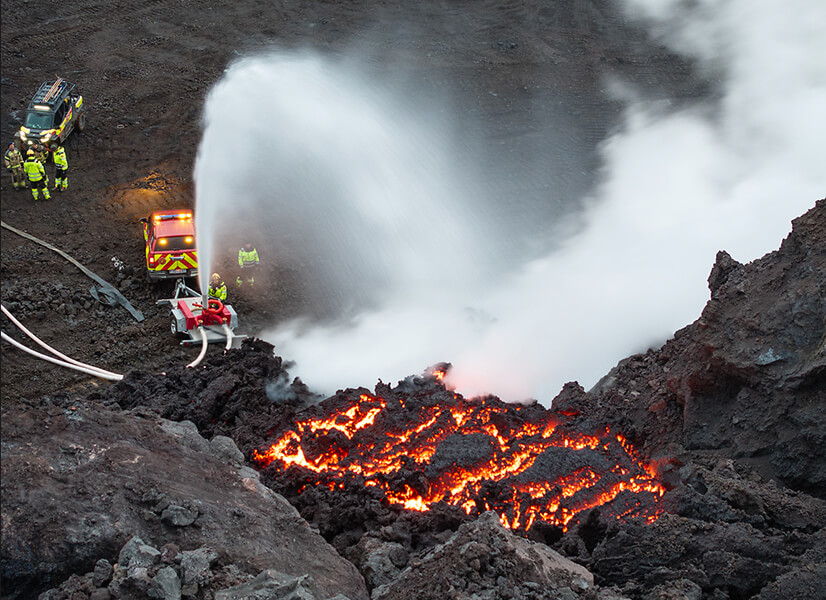
Begin at the defensive barriers and be in awe. Walk the streets where dark lava streams meet residential fences. Eat fresh fish by the harbor. Meet resilient locals continuing their businesses.

Explore More Things to Do

Discover more places shaped by fire, earth, and resilience.